Writing
Field notes
Mostly this is us correcting an assumption. A symptom is not a diagnosis, the expensive part is rarely the failed one, and age is a weaker signal than people think.
-
How a Sub-Zero times its own defrost, and why chipping ice off the coil backfires
Frost on a Sub-Zero coil usually means the defrost cycle or a door seal has failed, not a timer. How the system works, what owners can safely do, and why the ice pick stays in the drawer.
-
A Sub-Zero freezer that has stopped freezing, checked in the order it usually fails
Soft ice cream and a warm freezer drawer rarely start with the compressor. The owner checks that are safe, the codes that matter, and the point where it is time to stop.
-
What a compressor really costs on a built-in, and when it is the wrong repair
The word compressor arrives on the phone more often than the part actually fails. Here is the figure, and the order of work that has to happen before anyone earns it.
-
When a built-in is worth repairing, and when it is not
Replacement is not a like-for-like swap when the unit is framed into joinery. That single fact moves the break-even point a long way.
-
What a storm outage actually does to built-in refrigeration
A board that dies cleanly is the easy case. The one that half-survives will waste months of your time and someone else's parts budget.
-
Why we only work on one brand of refrigeration
One manufacturer, one product category, no cooking equipment and no air conditioning. The scope is deliberate and so is the disclaimer that goes with it.
-
What a fouled condenser actually does to a built-in
The most expensive thing in your kitchen is being slowly insulated by your dog, and the first symptom is usually the ice.
-
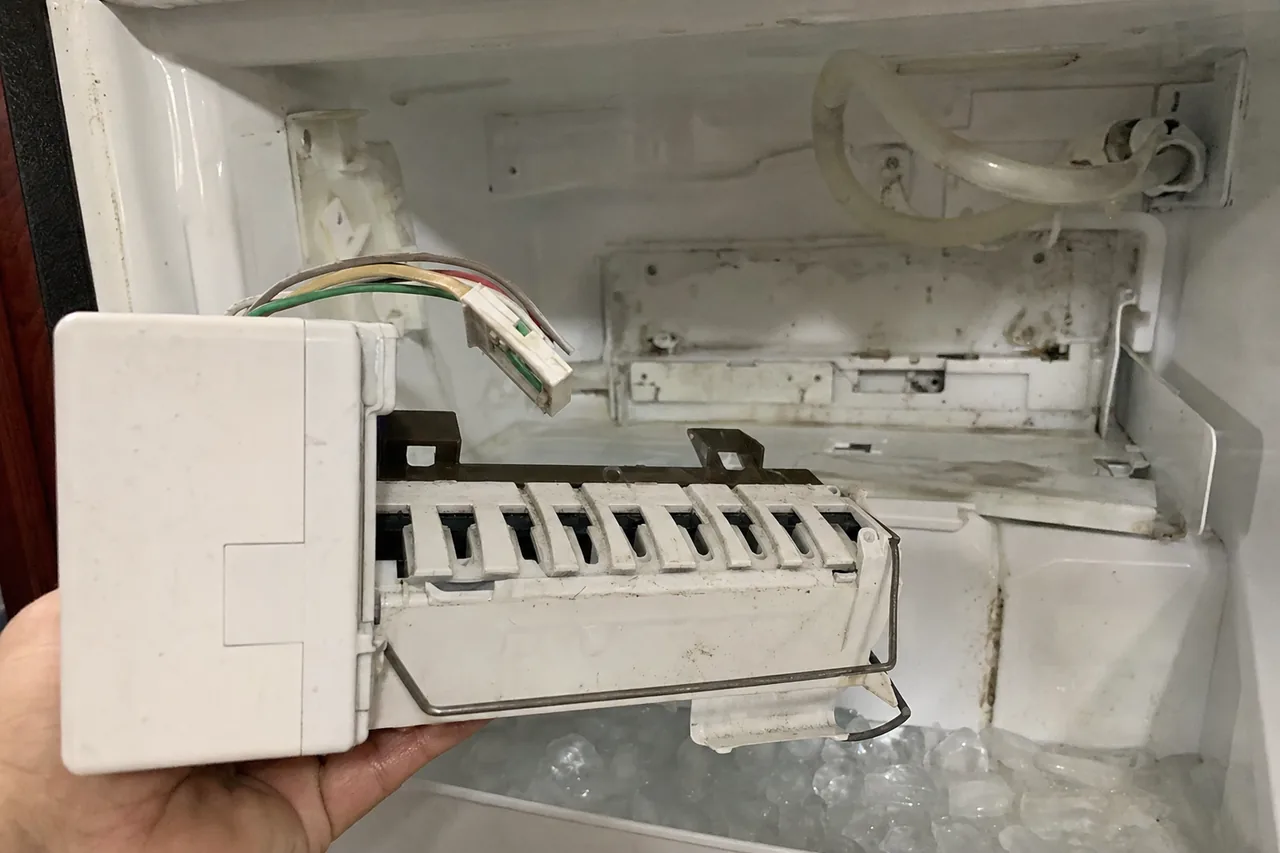
Why the ice maker is the first thing to fail
The ice maker is usually the messenger, not the fault. Reading it as the fault is how households end up buying three parts to fix one problem.
What it costs
What do the faults in these notes cost to fix?
The four bands most of this writing is about. Parts and labour together for a completed repair, with the flat diagnostic credited against it.
$80 Flat $80 diagnostic covering the visit and the full diagnostic sequence, credited toward the repair once you approve the work.
| Repair | Typical range |
|---|---|
| Diagnostic visit | $80 flat, credited |
| Door gasket or seal replacement | $230–$610 |
| Evaporator or condenser fan motor | $260–$570 |
| Defrost heater, thermostat or sensor | $260–$630 |
| Ice maker, water valve or supply line | $240–$620 |
90 days on labour, 365 days on parts, genuine oem parts. The whole table is on what it costs.
Asked on the phone
What do readers ask about these?
- Are these notes a repair manual?
- No. They are arguments about the order a fault should be read in, written so you can judge whether a diagnosis you have been given makes sense. The work itself involves refrigerant handling and mains-voltage components, which is not a thing to take on from a web page.
- Why do the notes keep coming back to cost?
- Because the order of the diagnosis is a money argument. Reading the symptom as the fault is how a household buys a control board at $430–$810 for a problem a $230–$610 door seal was causing, and that mistake is what most of this writing is about.
Book a diagnostic visit
One flat fee to find out what is actually wrong, credited toward the repair. We cover Orange Park and the rest of Clay County within about 40 miles.
- Diagnostic
- $80
- Labour warranty
- 90 days
- Parts warranty
- 365 days
- Monday – Friday
- 08:00 – 18:00
- Saturday
- 09:00 – 16:00
Written estimate before any work starts. No parts ordered until you approve the figure. Closed Sunday. Calls placed after hours are returned the next working morning.